What is Ecommerce SEO: A Beginners Guide 2026
What is eCommerce SEO?
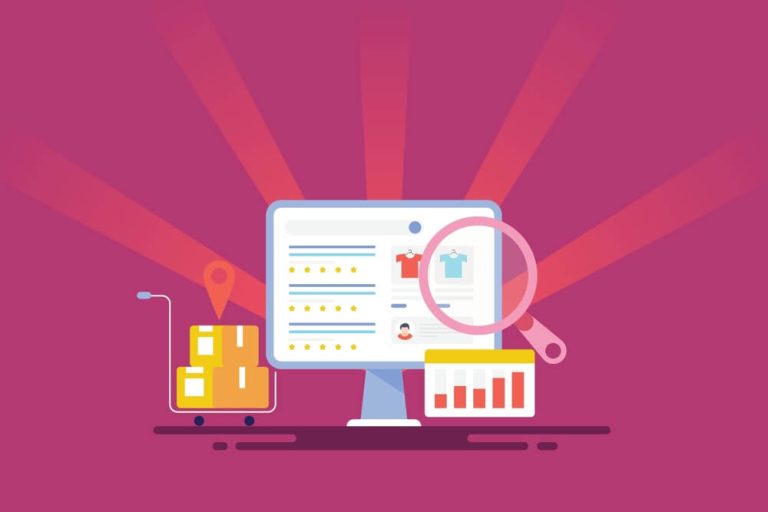
eCommerce SEO (Search Engine Optimization) is the strategic process of making an online store more visible in search engine results pages (SERPs). Unlike traditional SEO, which may focus on informational blog posts, eCommerce SEO prioritizes ranking product pages, category pages, and brand terms to drive organic traffic that directly converts into sales.
Why SEO is Critical for Online Retailers
While paid ads provide immediate visibility, SEO offers a sustainable, long-term return on investment (ROI).
- Cost Efficiency: Organic traffic is “free” after the initial optimization effort, unlike PPC (Pay-Per-Click) where traffic stops the moment the budget runs out.
- Trust and Credibility: Users tend to trust organic results more than sponsored ads. Appearing on the first page of Google signals that your brand is a legitimate industry player.
- Global Reach: Proper SEO allows a local store (e.g., in Karachi or Lahore) to compete for customers in international markets like Dubai, London, or New York.
How to Optimize eCommerce Product Pages
To rank in search results and AI-generated summaries, your product pages must be both human-readable and machine-understandable.
1. Intent-Based Keyword Research
Don’t just describe the item; use terms your customers actually type into Google.
- Broad Term: “Earrings”
- Long-Tail (High Intent): “Handmade Pakistani bridal jhumkas” or “Affordable wedding jewelry for women.”
2. High-Performance Metadata
| Element | Optimization Strategy |
| Title Tags | Include the primary keyword and brand name. Keep it under 60 characters. |
| Meta Descriptions | Write a compelling 155-character “ad” for your page. Include a Call to Action (CTA) like “Shop Now” or “Free Shipping.” |
| Image Alt Text | Describe the image for search bots (e.g., alt=”red-bridal-jhumka-earrings-gold-plating”). |
3. Unique Product Descriptions
Avoid using the manufacturer’s default text. Google penalizes duplicate content. Write original descriptions that highlight:
- Materials/Ingredients
- Sizing and Fit
- Styling Tips
- Problem-solving benefits
4 Common eCommerce SEO Mistakes to Avoid
If your store is struggling to rank, check for these frequent technical “potholes”:
- Ignoring Mobile-First Indexing: Over 70% of eCommerce traffic now comes from mobile devices. If your site is hard to navigate on a smartphone, your rankings will suffer.
- Slow Page Load Speeds: A 1-second delay in page load can lead to a 7% reduction in conversions. Use tools like Google PageSpeed Insights to audit your site.
- Broken Internal Links: Ensure your “Related Products” and “Category” links work perfectly. This helps search bots crawl your site more effectively.
- Lack of HTTPS/Security: For eCommerce, a secure connection is a non-negotiable ranking factor. Always use an SSL certificate.
The Benefits of a Ranked Online Store
- Sustainable Traffic: High rankings act as a “money tree” that brings in visitors 24/7.
- Improved User Experience: Good SEO often leads to a cleaner, faster, and more intuitive website.
- Competitive Edge: Many small businesses ignore technical SEO. Mastering it gives you an immediate advantage in crowded marketplaces.
Expert Tip: AI Overviews frequently pull data from FAQs and Structured Data (Schema). Adding a “Frequently Asked Questions” section to your category/collection pages is one of the fastest ways to get cited by Google’s AI.
Bottom Line Just Start
eCommerce SEO is a marathon, not a sprint. Whether you are selling bridal jewelry, best handbags in Pakistan, or tech gadgets, the goal is to be the most helpful and visible answer to a user’s problem.
Ready to dominate the search results? If you need a professional audit or a custom strategy to get your store on the first page, Local Rankies is here to help. We specialize in turning invisible stores into market leaders.